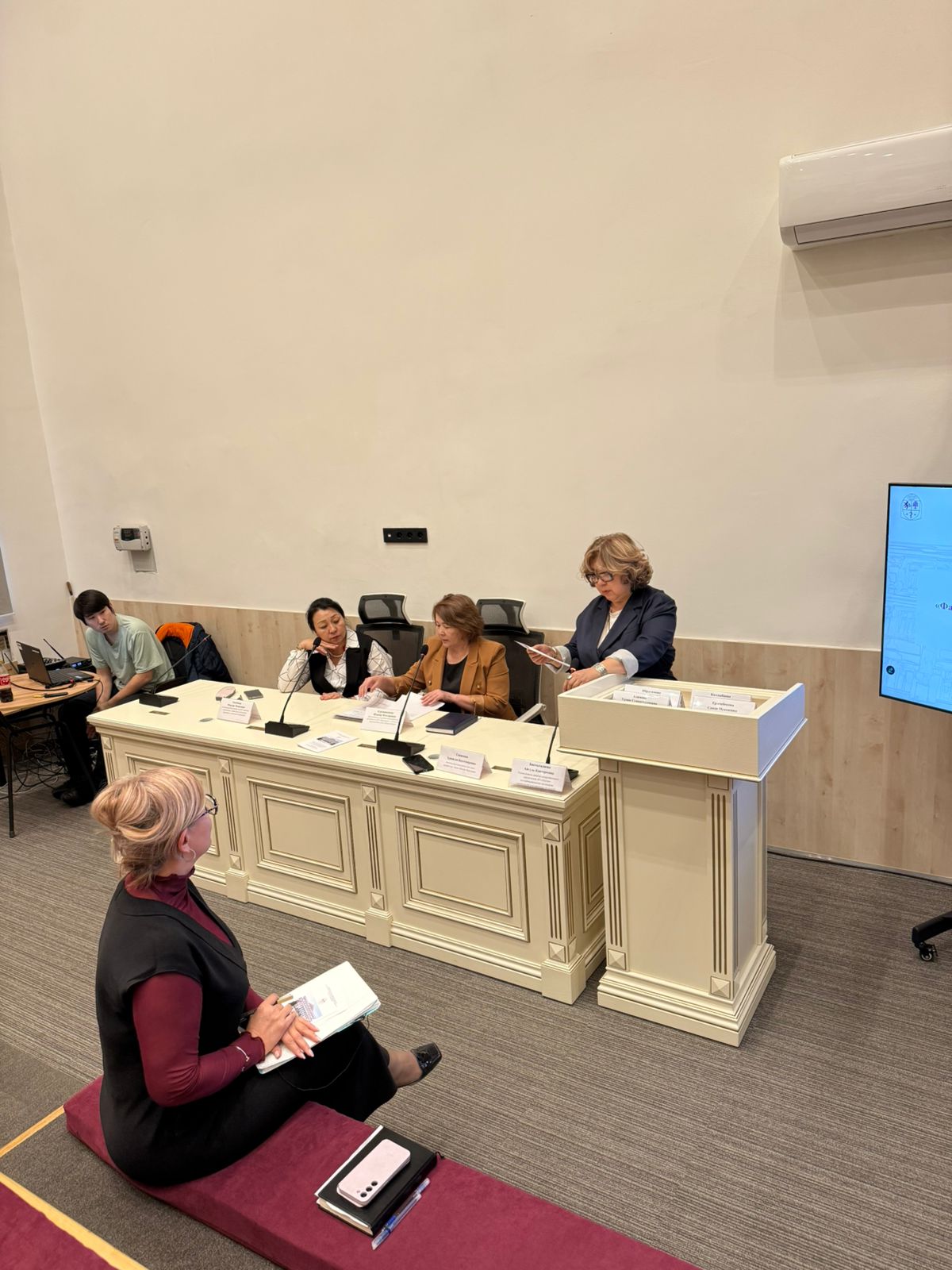
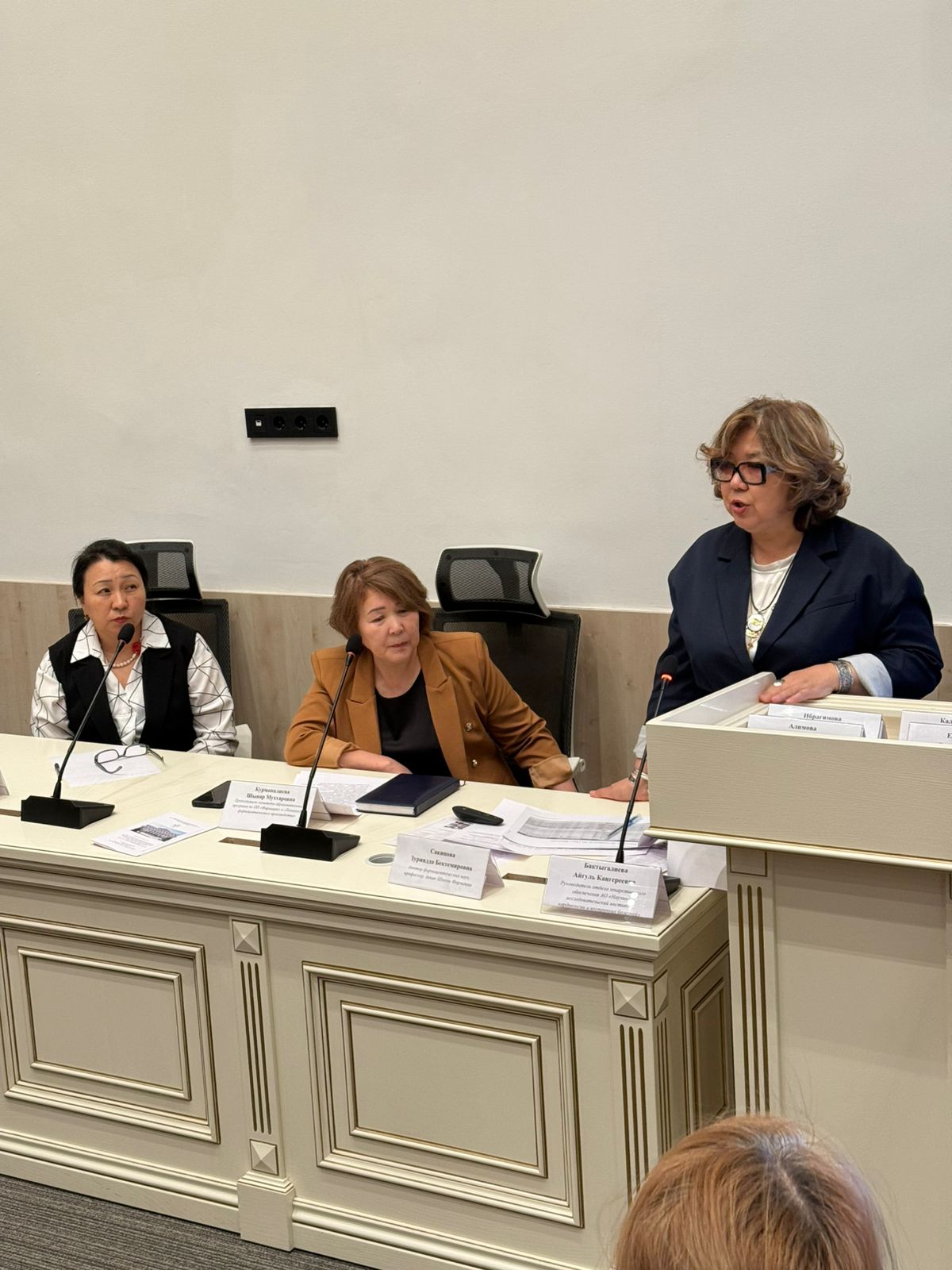
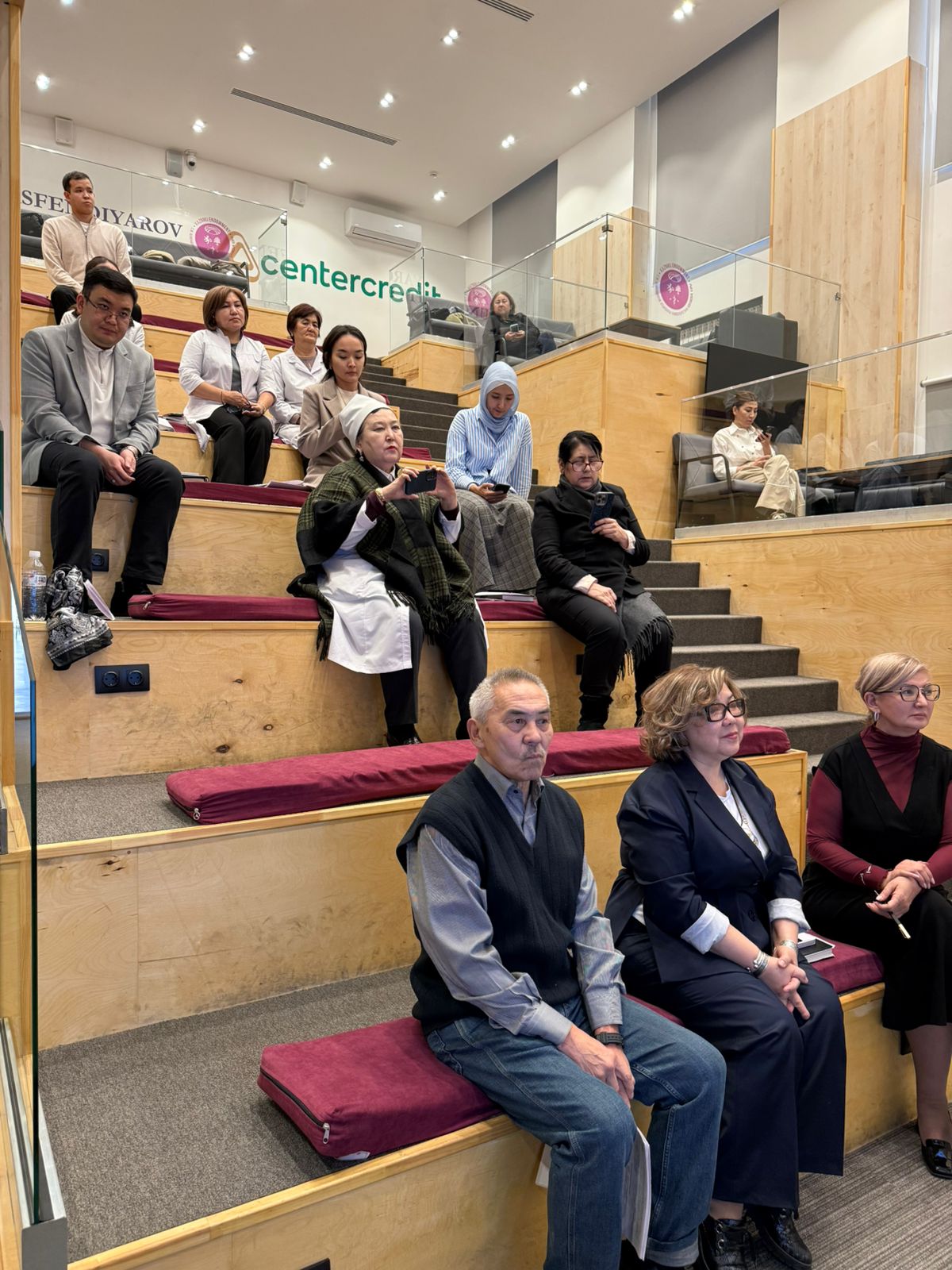
On 28 November, the School of Pharmacy hosted a round table discussion entitled ‘Improving the Pharmacy and Pharmaceutical Manufacturing Technology Educational Programmes as part of the integration of education, science and practice at the bachelor’s, master’s and PhD levels: educational trajectories’.
Catalogue of Elective Disciplines (CED) for the 2026-2027 academic year. The main goal of the event is to ensure that the content of educational programmes meets modern requirements and the needs of employers. The round table meeting is aimed at conducting an annual analysis of labour market needs, updating graduate competencies, and developing joint solutions to improve the quality of training for specialists capable of working effectively in the modern pharmaceutical industry.
Issues related to updating the educational programmes ‘Pharmacy’ and ‘Pharmaceutical Production Technology’ in accordance with professional standards, the requirements of the pharmaceutical industry, the development of digital technologies, artificial intelligence, and trends in drug provision were discussed.
The round table format included discussions on the structure and content of educational programmes, prospects for their development, and the updated Catalogue of Elective Disciplines.
The Dean of the School of Pharmacy, Professor Sakipova Z.B., addressed the participants of the round table with a welcoming speech. Presentations were given by: Associate Professor Tleubaeva M.I. ‘Modern challenges of practical healthcare: rational drug provision in the primary healthcare system (PHC) and inpatient care in the Republic of Kazakhstan’ and Chair of the Educational Programmes Committee of the School of Pharmacy, Sh.M. Kurmanalieva ‘Presentation to employers of the Catalogue of Elective Disciplines (CED) for the 2026-2027 academic year for educational programmes 6B10104 – “Pharmacy” and 6B070201 – ’Pharmaceutical Production Technology” to employers.
As a result of the round table, the educational programmes were updated: changes and additions were made in accordance with the requests of employers and modern industry requirements. The updated educational programmes create conditions for the School of Pharmacy to participate in the rankings of the Atameken National Chamber of Entrepreneurs, the international IAAR Eurasian University Ranking (IAAR EUR) and the QS World University Rankings. The latter evaluates universities on six indicators reflecting the quality of research, teaching, graduate employment and the level of internationalisation.
When developing educational programmes and CEA, the teaching staff of the School of Pharmacy focuses on key areas of higher education development: increasing accessibility, staff advancement, digitalisation, internationalisation and strengthening the national quality assurance system.
Artificial intelligence is transforming the study of medicinal plants and natural compounds. Modern technologies are opening up new horizons in the identification and analysis of herbal remedies.
New disciplines have been added to the KED:
- Analysis and standardisation of phytonutrients
- Fundamentals of digital phytopharmacy
- Theoretical and practical aspects of pharmaceutical incompatibilities
- Organisation of pharmaceutical production and qualification of engineering systems in accordance with GMP/GEP requirements
- Medicine provision in the primary health care (PHC) and inpatient care systems in the Republic of Kazakhstan
- Accounting and reporting system in pharmacy organisations of the Republic of Kazakhstan
- Information technologies in the physicochemical analysis of medicinal products.
Following the discussions, the educational programmes and the catalogue of elective disciplines were updated to reflect the demands of employers and the current requirements of the industry.
In the adopted Resolution of the round table, the meeting participants consider it necessary to:
- Use international experience and modern approaches in the development of educational programmes.
- Ensure transparency, reliability and continuity of learning outcomes at all levels.
- Introduce a mechanism for regularly updating educational programmes and integrating professional certification.
- Develop electronic portfolios for students using digital technologies and AI.
- Create universal educational programmes that meet professional standards and individual educational trajectories.
- Strengthen training in the field of drug provision and rational use of medicines.
- Ensure that elective disciplines correspond to the subject matter, scope and level of training of students.
The resolution was adopted by the participants of the round table — more than 30 representatives of practical healthcare, regulatory authorities, manufacturers of medicines and medical devices, pharmacy chains, wholesale distribution warehouses, testing laboratories, and the teaching staff of the School of Pharmacy of KazNMU.