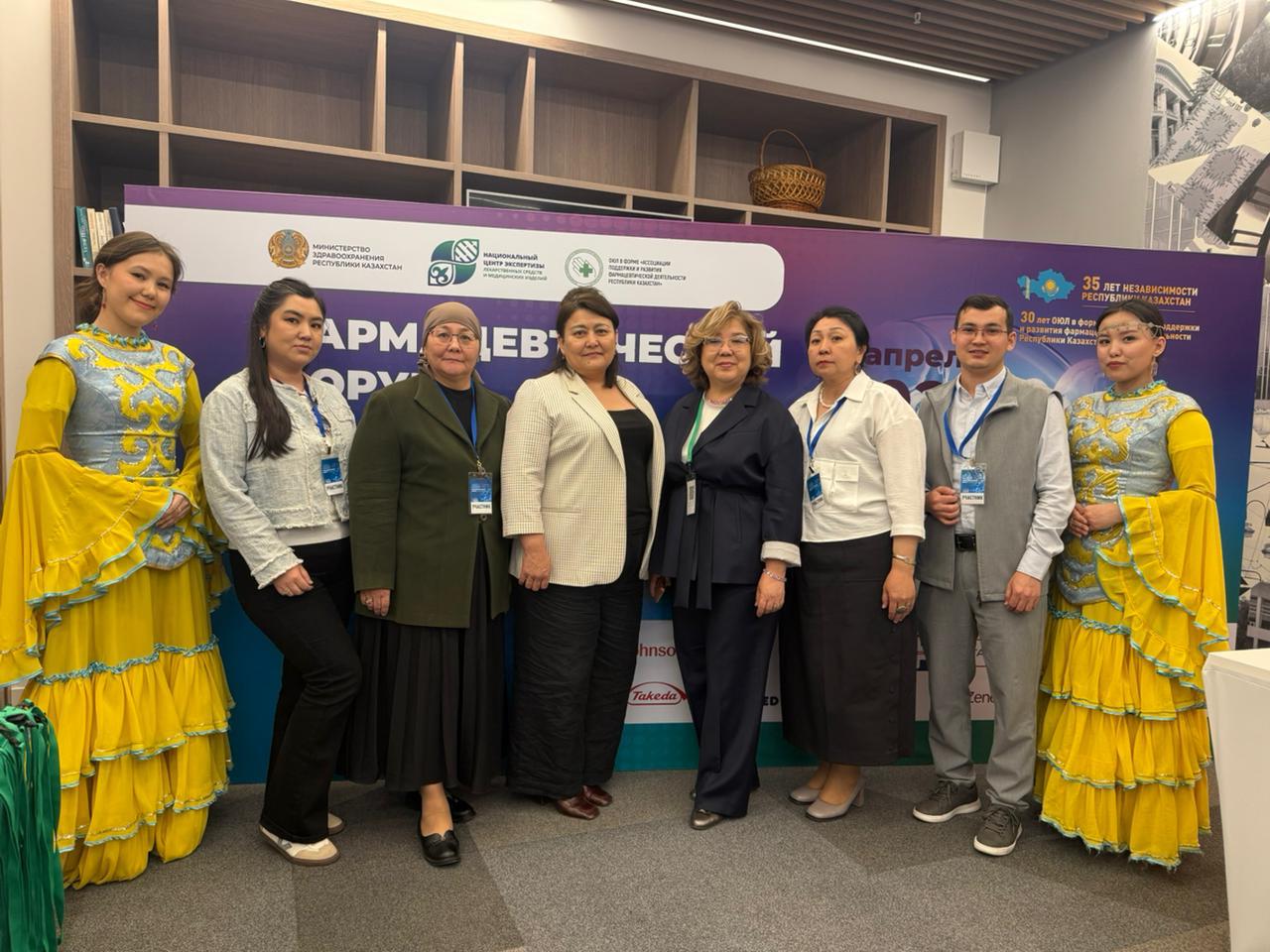
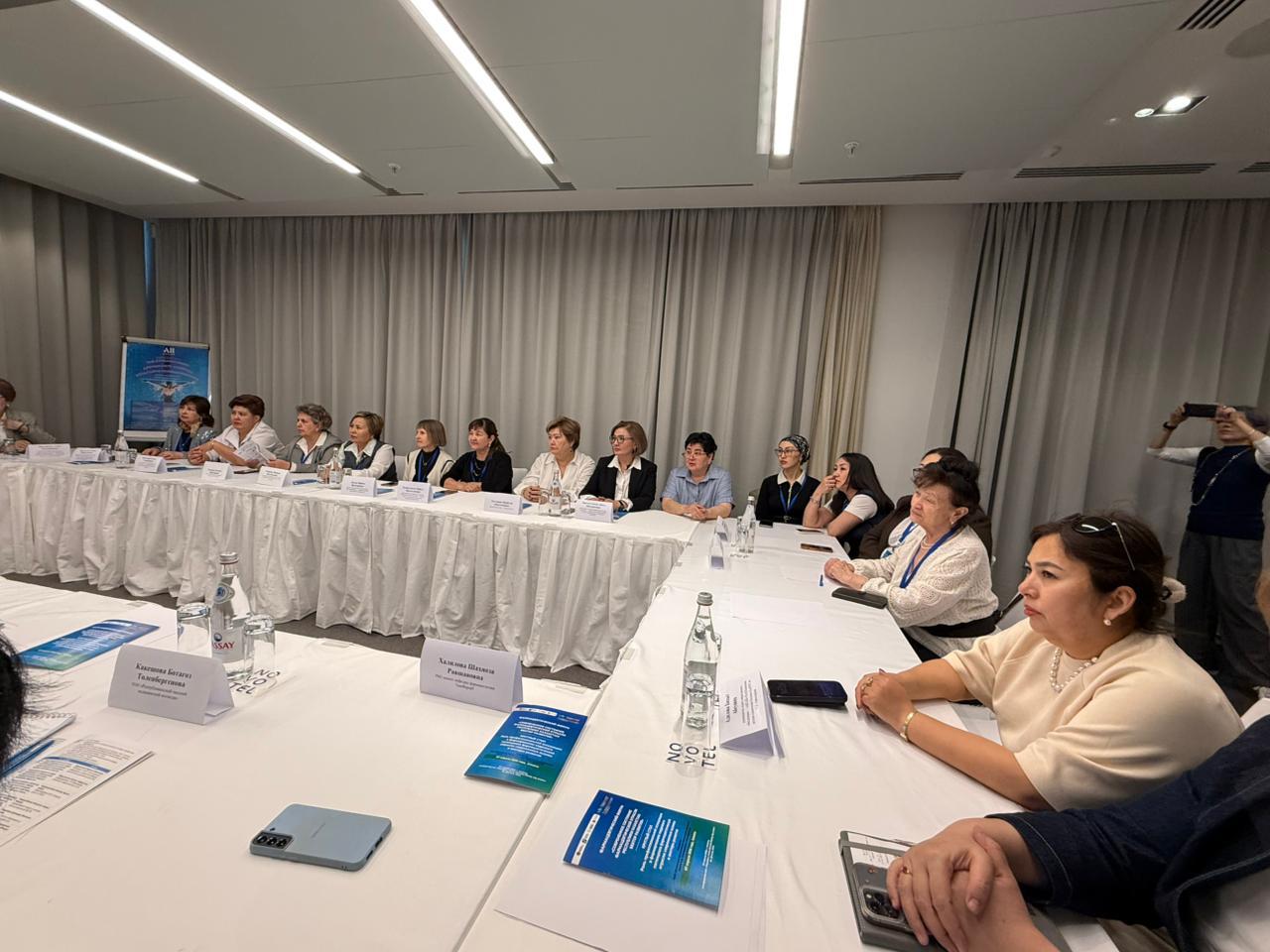
On April 7, 2026, a Pharmaceutical Forum titled
“Current State of the Pharmaceutical Industry of the Republic of Kazakhstan: Development Vector”
was held in Almaty, dedicated to the 35th anniversary of the independence of the Republic of Kazakhstan and the 30th anniversary of the Association for the Support and Development of Pharmaceutical Activities of the Republic of Kazakhstan.
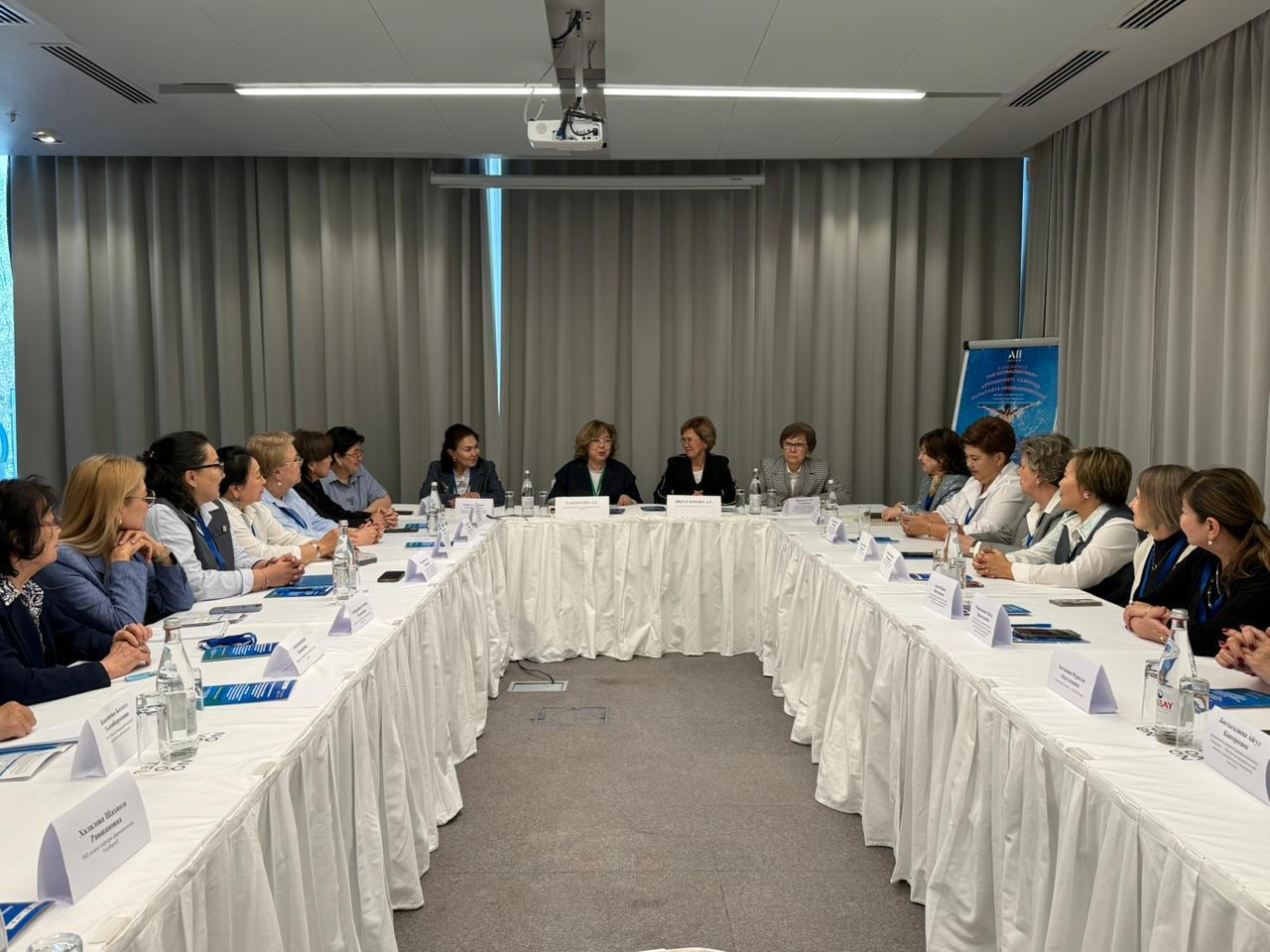
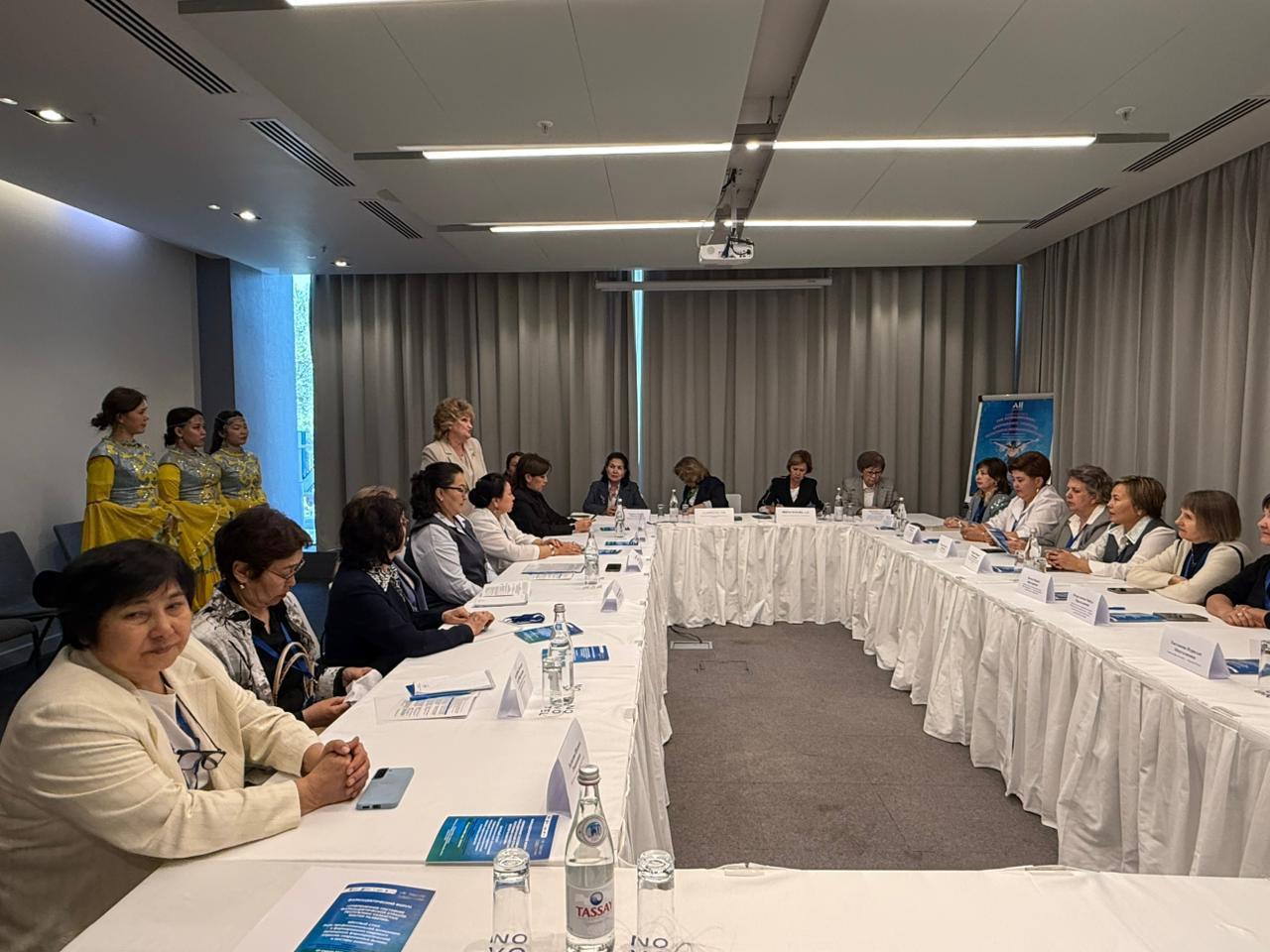
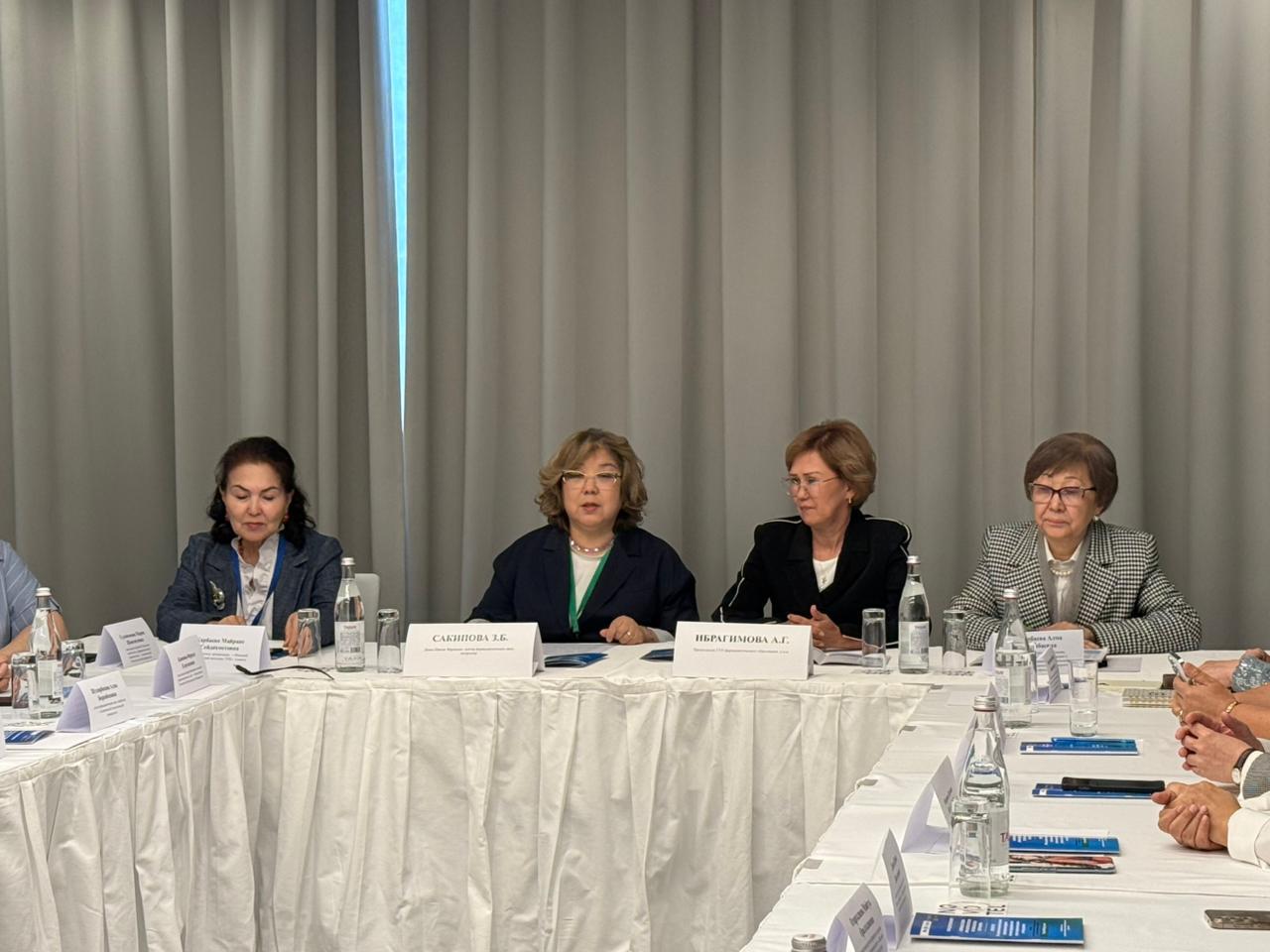
Within the framework of the Forum, the School of Pharmacy of Kazakh National Medical University named after S. D. Asfendiyarov acted as a moderator of the round table on the topic:
“The Role of Professional Associations in Shaping Human Resources Capacity in the Pharmaceutical Industry: Modern Challenges and Development Vectors.”
The round table aimed to discuss key aspects of improving the educational program “Pharmacy,” as well as developing human resources capacity in the pharmaceutical sector under modern challenges.
Special attention was paid to the integration of education, science, and practice, ensuring continuity in specialist training, and aligning educational programs with labor market requirements.
The event brought together representatives of leading medical and educational institutions, research institutes, healthcare organizations, and the professional community, including:
- Kazakh National Medical University named after S. D. Asfendiyarov, academic staff of the Department of Organization, Management and Economics of Pharmacy and Clinical Pharmacy of the School of Pharmacy
- Al-Farabi Kazakh National University
- Kazakhstan-Russian Medical University
- South Kazakhstan Medical Academy
- Karaganda Medical University
- West Kazakhstan Marat Ospanov Medical University
- Semey Medical University
- Almaty Technological University
- Research Institute of Cardiology and Internal Diseases
- National Scientific Center of Phthisiopulmonology
- Aksay Republican Children’s Clinical Hospital
- Kausar LLP
- Higher Medical and Dental College named after Professor Ruzuddinov
- “Higher Medical College” of the Public Health Department of Almaty
- Republican Higher Medical College, Almaty
- “Esik Medical College” LLP, Almaty Region, Enbekshikazakh District, Esik
- “Talgar Higher Medical College”, Almaty Region, Talgar
- “Diana” Higher Medical College
- “Interdent” Higher Medical College
During the session, reports were presented and discussed on the following topics:
• the role of professional associations in developing human resources capacity;
• modern approaches to pharmaceutical education in Kazakhstan;
• improvement of the “Pharmacy” educational program through integration of education, science, and practice;
• ensuring continuity of pharmaceutical education within the “college–bachelor’s degree” system.
The systematic improvement of the educational program is being carried out with consideration of the needs of the pharmaceutical market and employers’ requirements, along with the integration of educational programs through the development of joint initiatives with leading national and international universities. Continuity across educational levels is ensured, facilitating a consistent transition from secondary vocational to higher and postgraduate education, enhancing the depth of specialist training and their effective integration into the healthcare system.
Based on the discussion outcomes, conceptual provisions have been developed as a foundation for the educational program “Pharmacy.” These include consideration of the round table topics, strengthening the role of professional associations as key stakeholders, and expanding the list of disciplines and practice-oriented modules. The program is aimed at developing competencies in regulatory and legal aspects of medicinal product circulation, manufacturing and production of medicines, quality control of medicines and medicinal plant materials, planning and analysis of medicine consumption, working with healthcare information systems, application of clinical, hospital, and pharmacoeconomic evaluation principles, as well as ensuring the rational and safe use of medicines in primary healthcare and hospital settings.
Following the round table, a resolution was adopted reflecting agreed approaches to the development of the pharmaceutical workforce training system, as well as the expansion and improvement of the “Pharmacy” educational program. The event confirmed the importance of consolidating the efforts of educational institutions, government bodies, and the professional community in establishing an effective system of pharmaceutical education in the Republic of Kazakhstan.