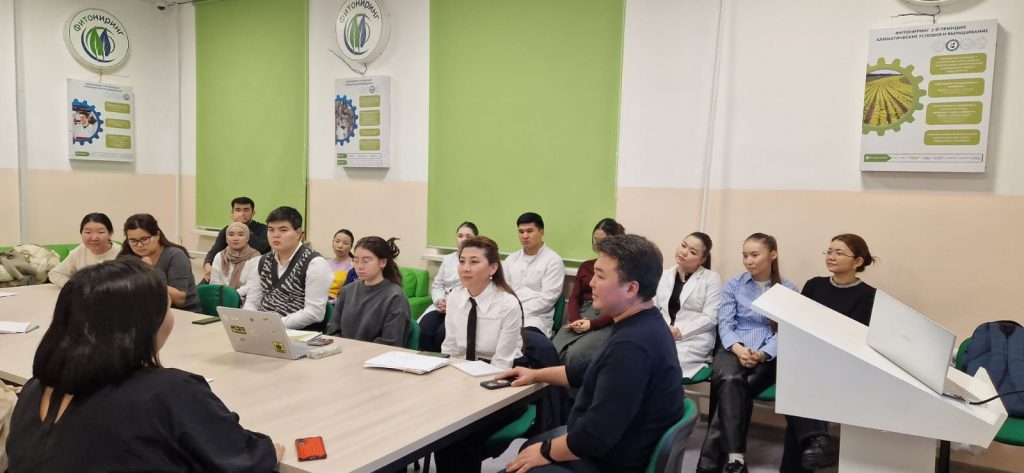
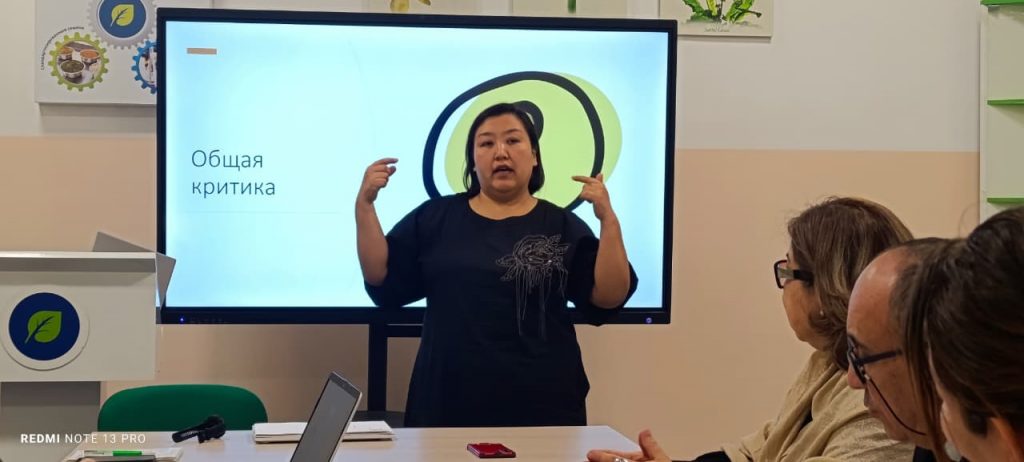
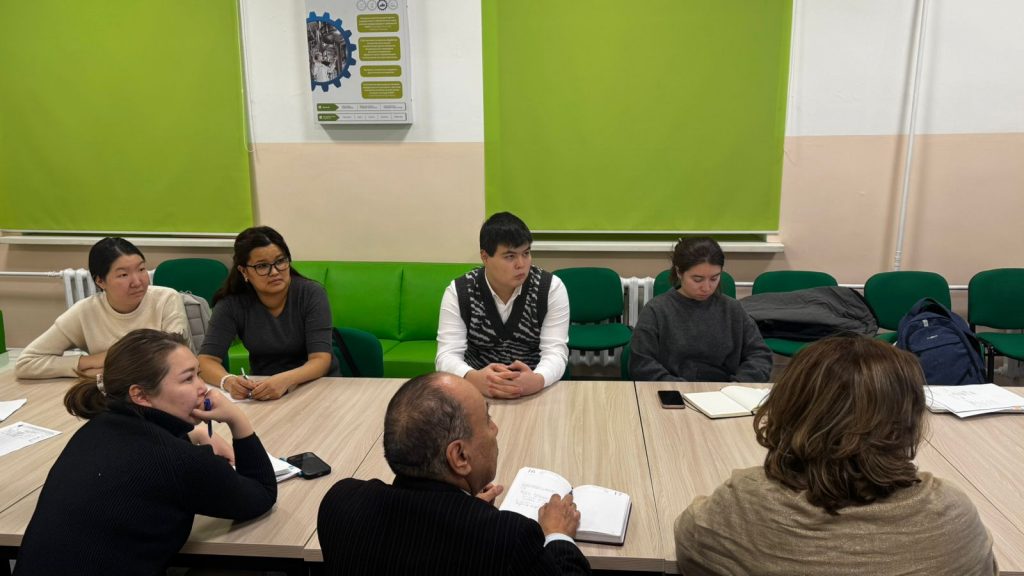
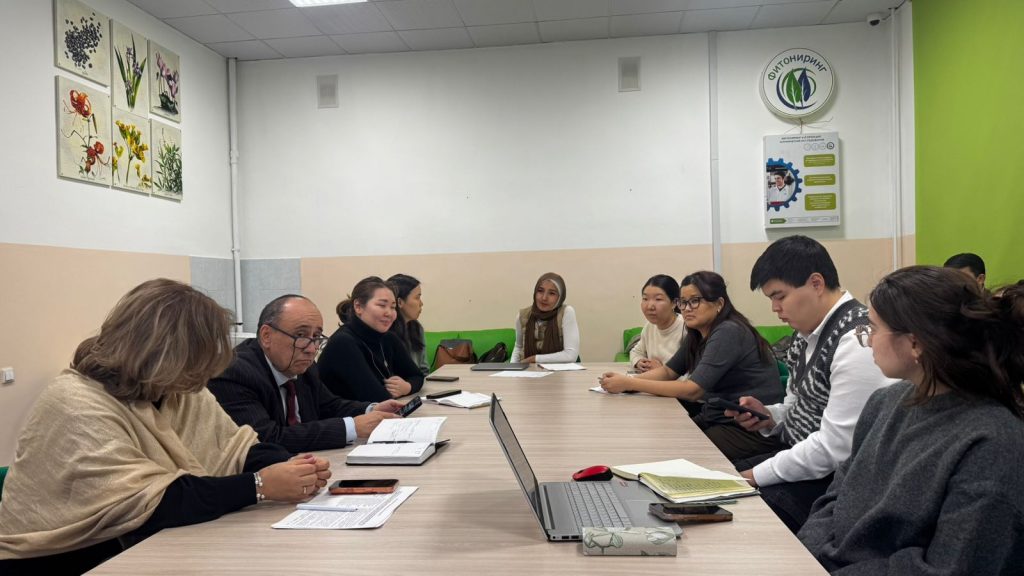
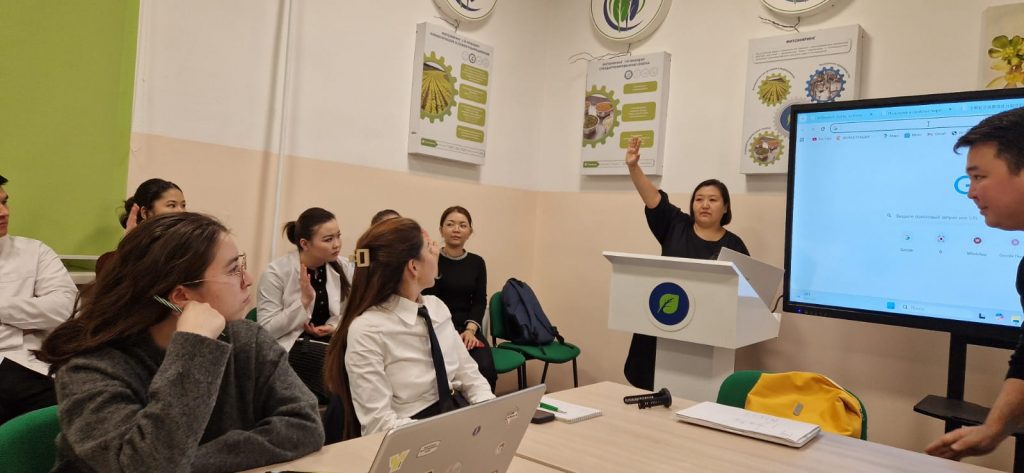
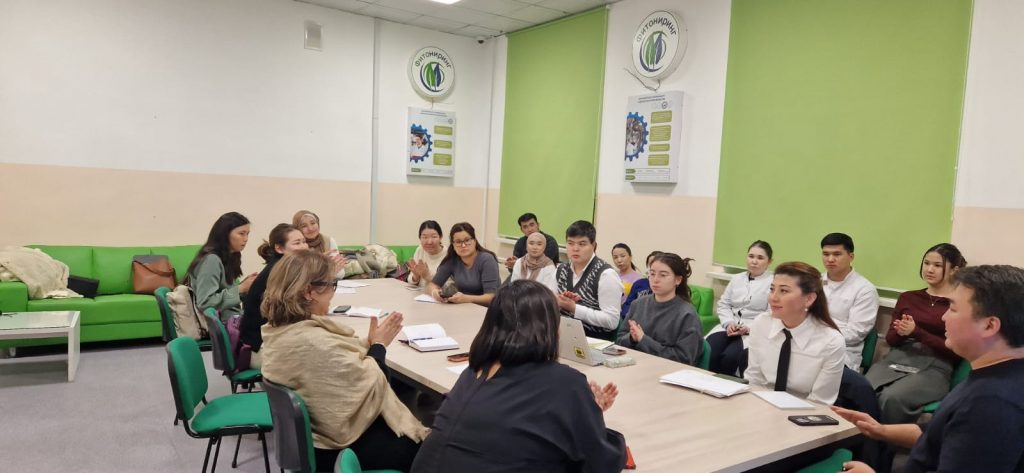
At the School of Pharmacy of KazNMU named after S.D. Asfendiyarov continues the work of the Journal Club – an academic platform that unites undergraduates, PhD doctoral students, young researchers and teachers for professional discussion of modern scientific literature.
The journal club has been operating at the School of Pharmacy for several academic years and today it is becoming one of the tools for the development of the scientific environment, research and scientific research, as well as the publication activity of young scientists.
The main principle of the club is simple – a scientific article is not enough to read, it must be critically analyzed. Sessions discuss publications from international peer-reviewed journals, assess scientific novelty, study design, methodology, quality of evidence, interpretation of findings, and validity of authors’ conclusions.
For the academic year 2026-2027, the Journal Club program focuses on critical discussion of publications in pharmaceutical technology, pharmacognosy, phytochemistry, pharmacology, preclinical research, and pharmaceutical development. Special attention is paid to articles from leading international journals, comparative analysis of research and consideration of scientific papers from the position of a reviewer.
One of the important results of the club’s work was the formation of a permanent platform for interdisciplinary scientific communication, where young scientists can discuss publications with colleagues of different directions, compare research approaches and find new ideas for their own scientific projects.
The Journal Club is coordinated by Rabiga Khozhamkul, consultant at Informascope, MD, PhD candidate, h-index 2, and Dzhakiyanov Amangeldy, lecturer at the School of Pharmacy, PhD doctoral student. The club’s activities are attended by permanent members, undergraduates, doctoral students, supervisors and teachers of the School of Pharmacy.
In the new academic year, the Journal Club will continue to work as an open platform for scientific discussion, where research results are considered not formally, but through the prism of evidence, reproducibility and scientific significance.