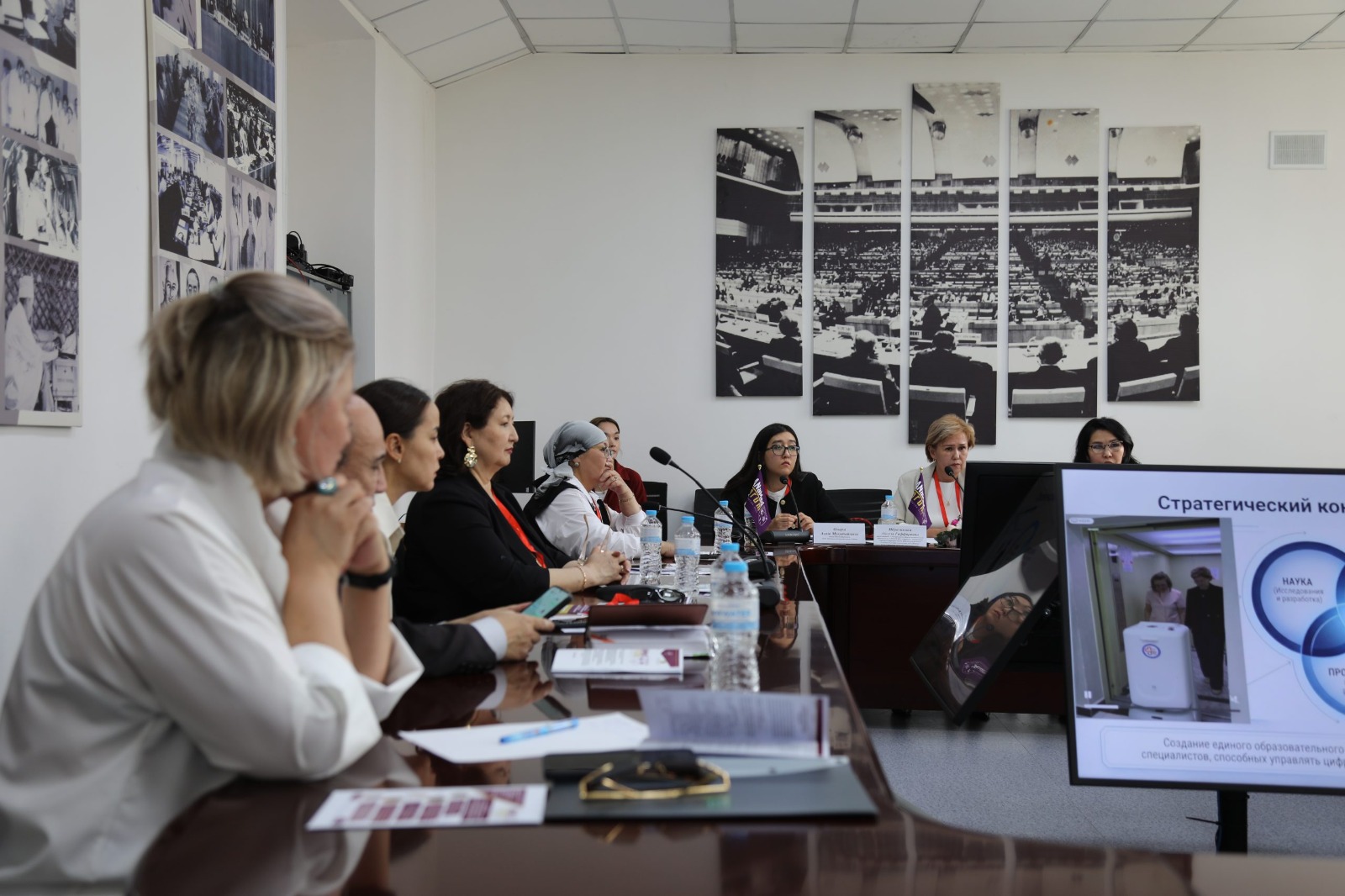
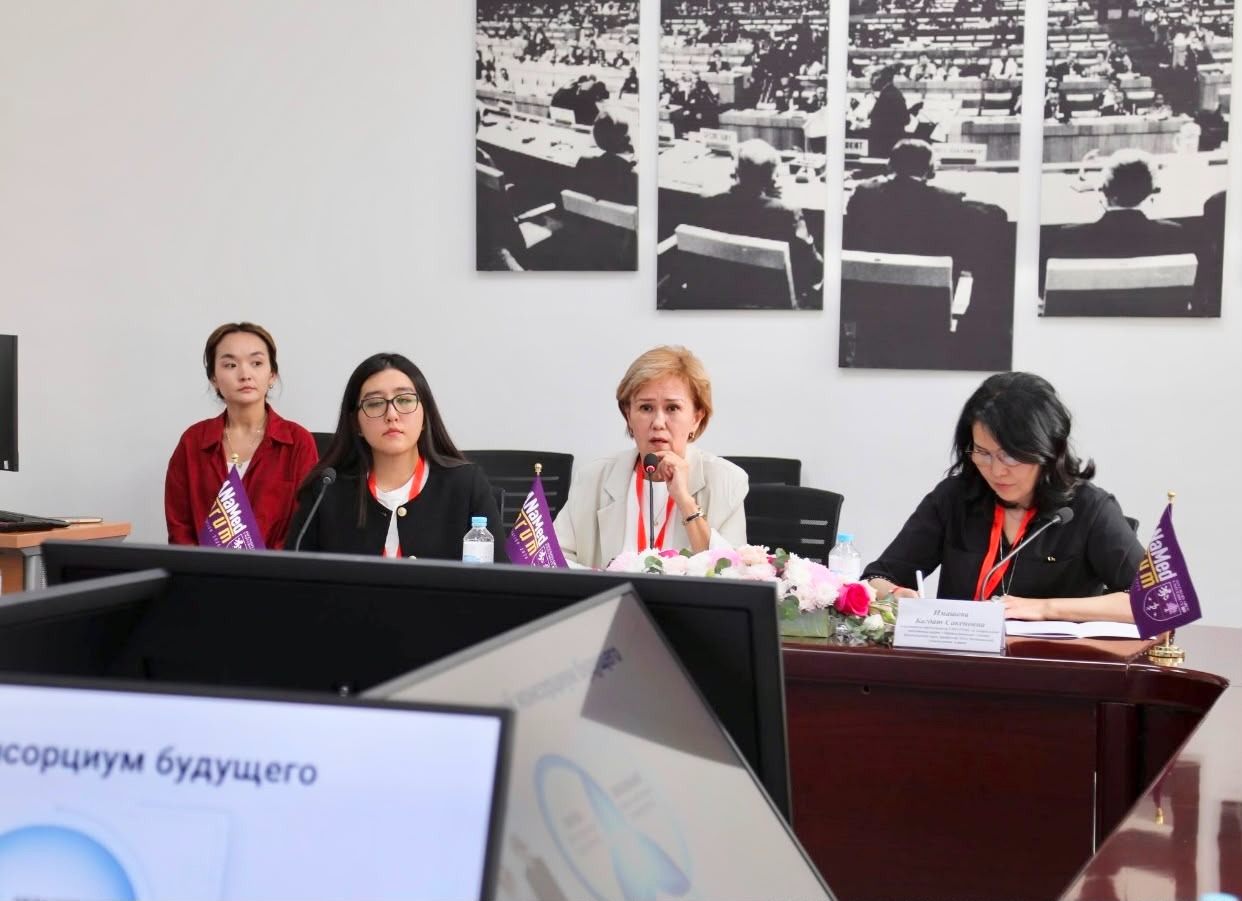
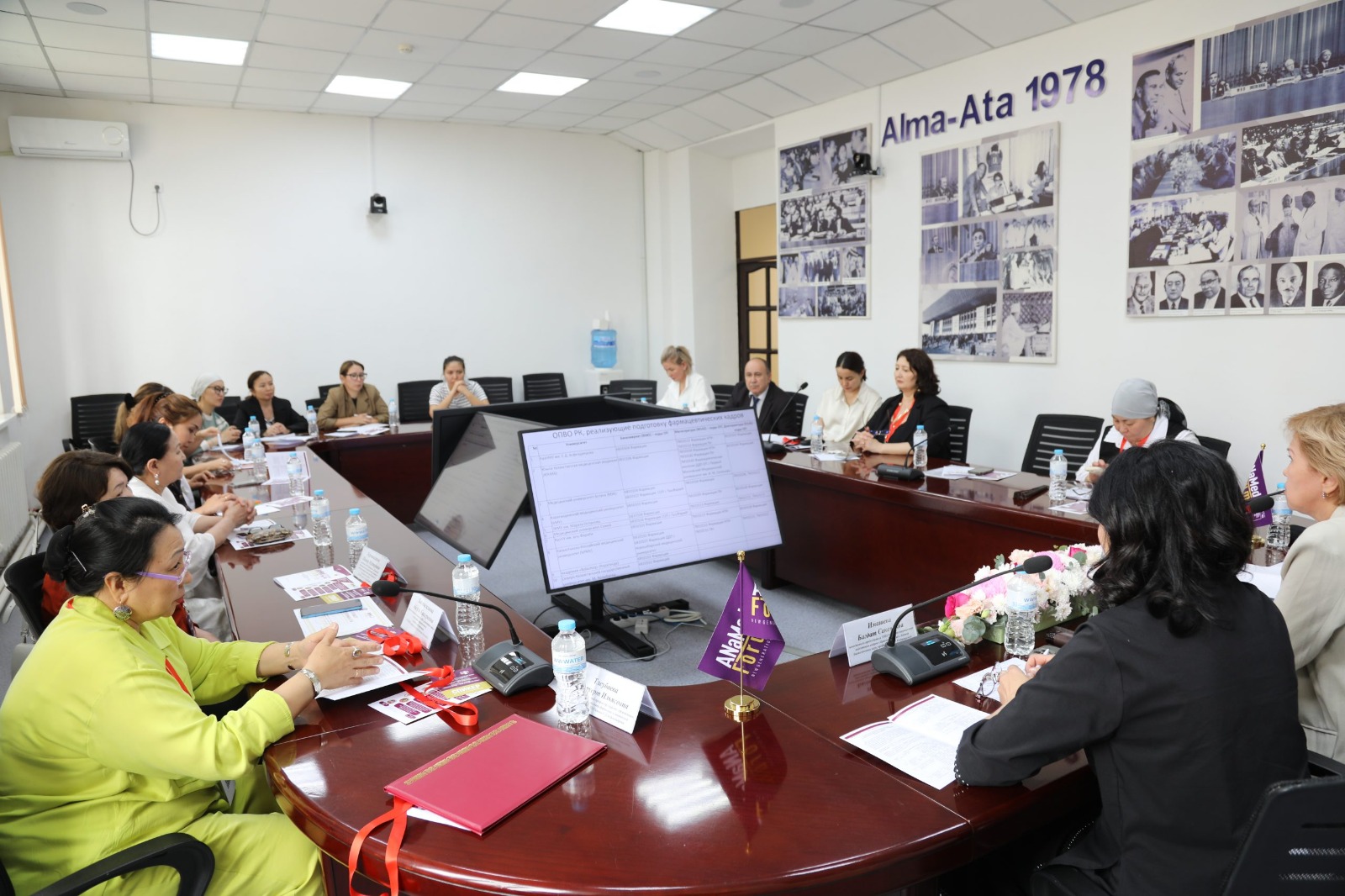
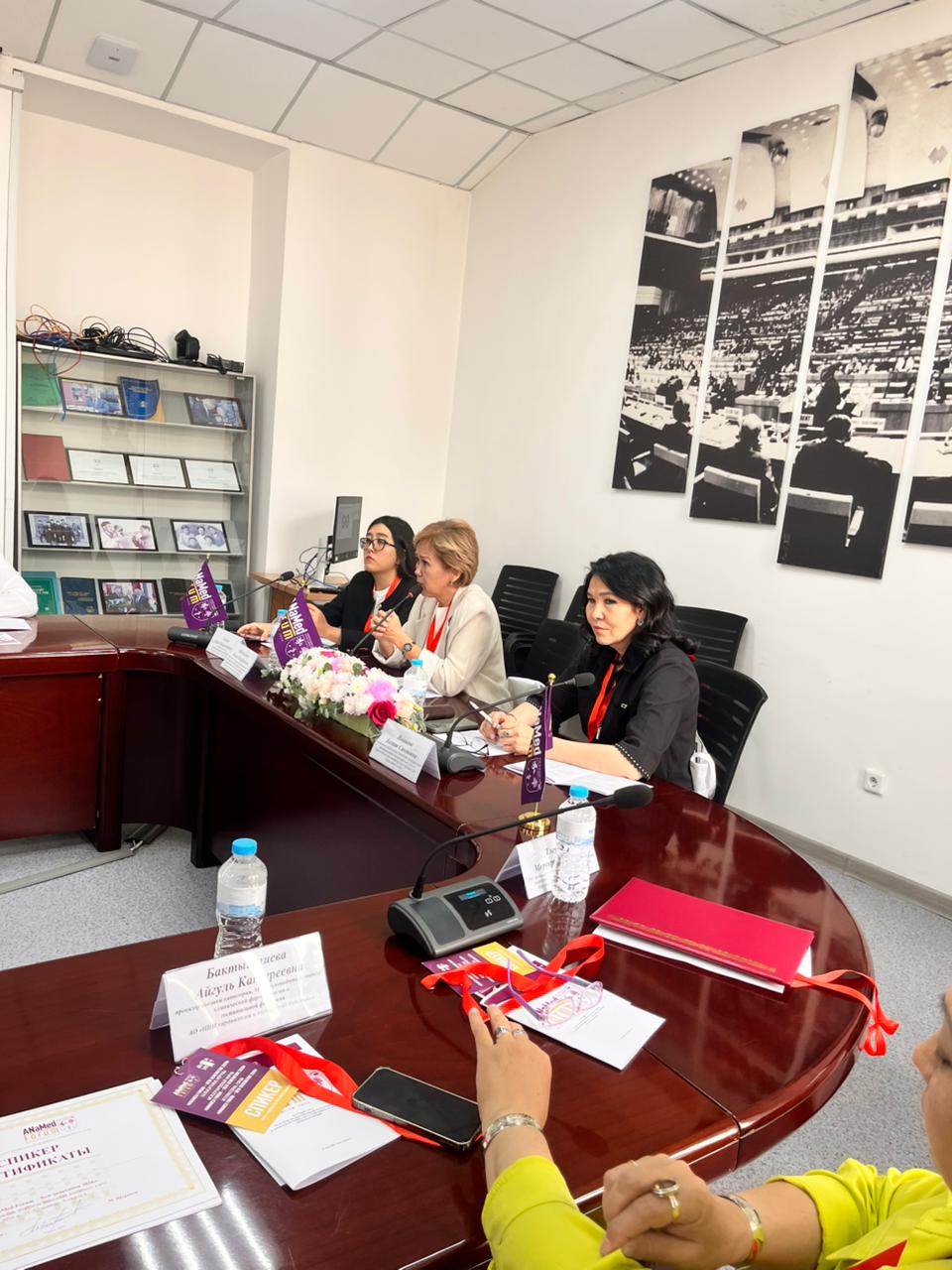
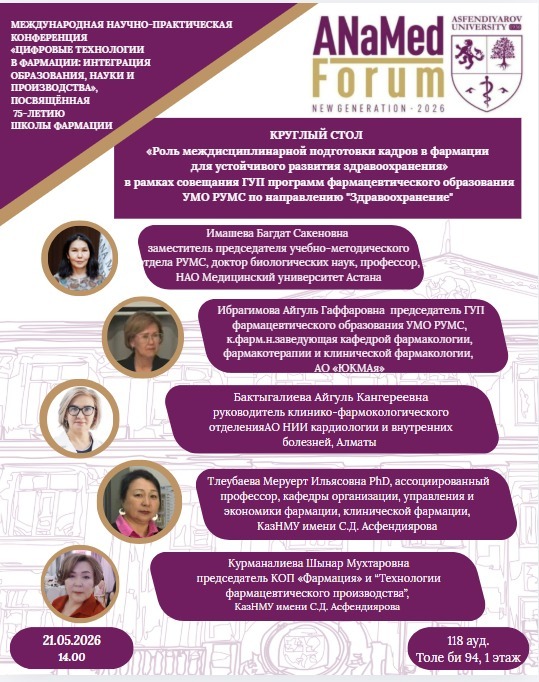
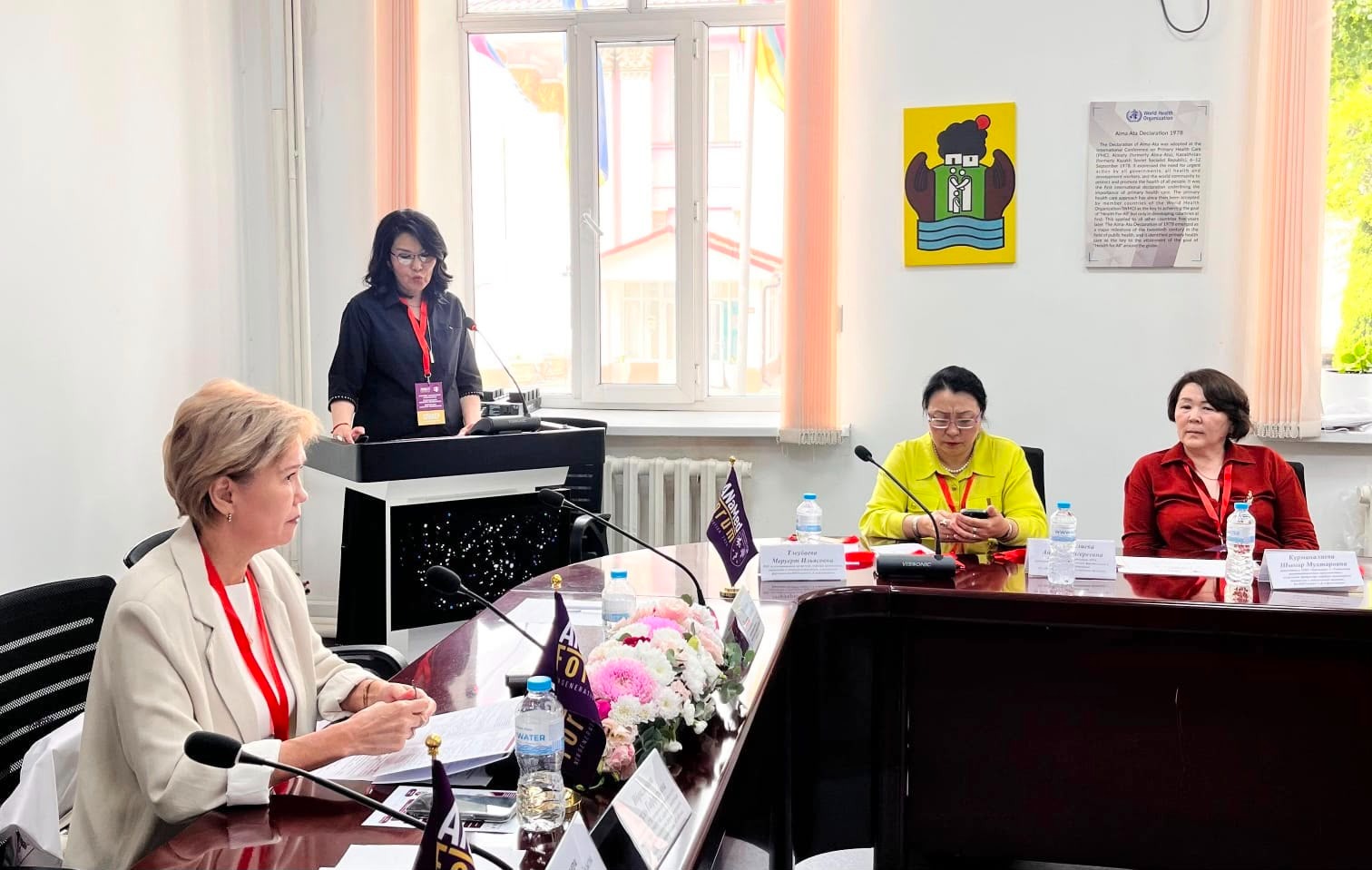
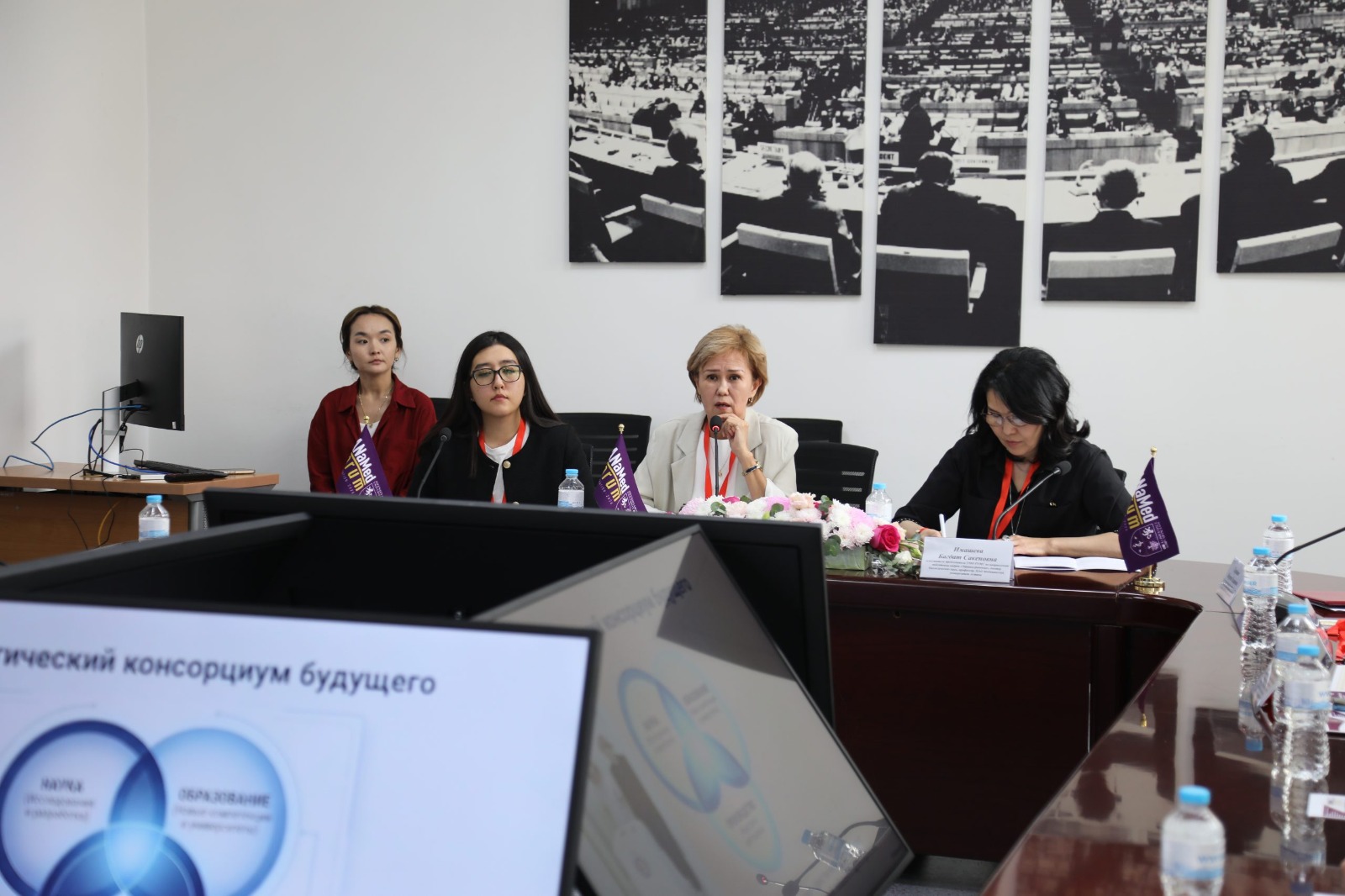
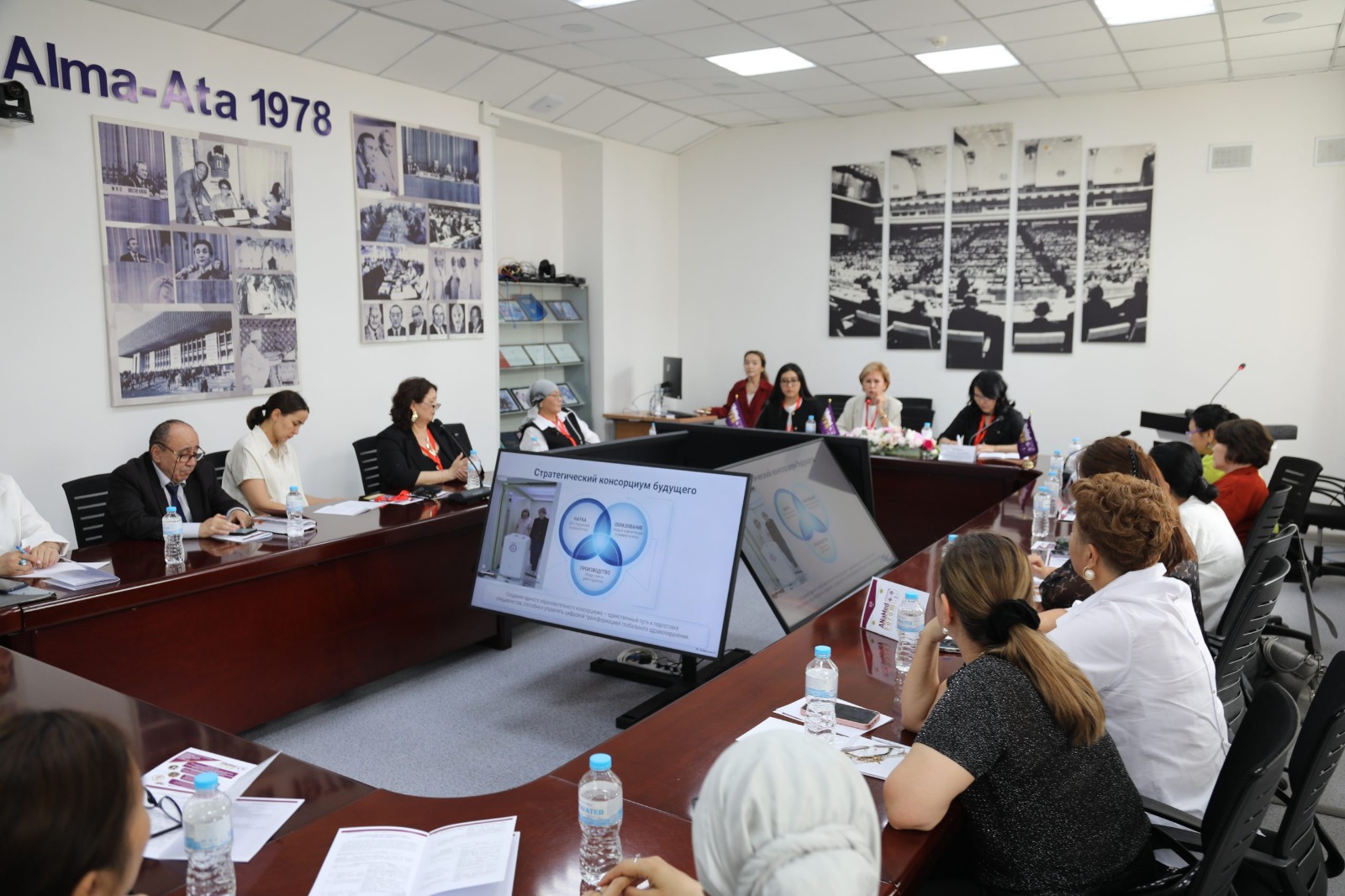
On May 21, 2026, within the framework of the International Scientific and Practical Conference “Digital Technologies in Pharmacy: Integration of Education, Science and Industry,” dedicated to the 75th Anniversary of the School of Pharmacy and held as part of the International Forum “ANaMed Forum – New Generation 2026,” a sectional meeting in the format of a round table entitled “The Role of Interdisciplinary Training of Pharmaceutical Personnel for the Sustainable Development of Healthcare” was conducted.
The event was held within the framework of the meeting of the Educational and Methodological Group (EMG) for Pharmaceutical Education Programs of the Educational and Methodological Association – Republican Educational and Methodological Council (EMA–REMC) in Healthcare.
Purpose of the Event
In the context of the rapid development of clinical pharmacy, digital healthcare, artificial intelligence, integrative and personalized medicine, there is an increasing demand for a new generation of specialists possessing multidisciplinary knowledge, research skills, and practice-oriented competencies. Consequently, the need to improve educational programs in accordance with international standards, employers’ requirements, and modern innovative trends in pharmaceutical science and practice has become increasingly relevant.
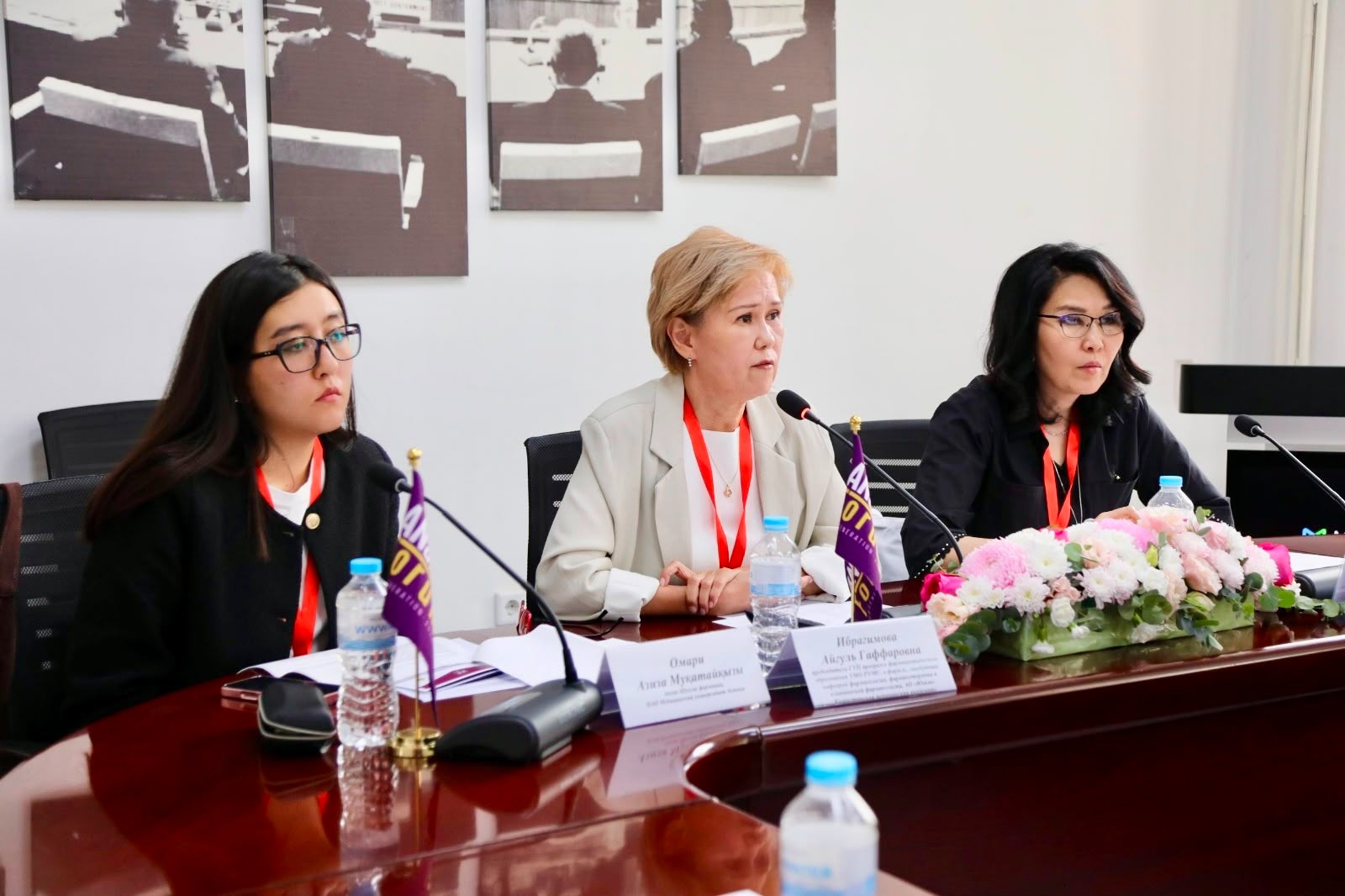
The round table was moderated by Aigul Gaffarovna Ibragimova, Chair of the EMG for Pharmaceutical Education Programs of the EMA–REMC, Candidate of Pharmaceutical Sciences, and Head of the Department of Pharmacology, Pharmacotherapy and Clinical Pharmacology at South Kazakhstan Medical Academy JSC.
Participants
The round table brought together representatives of:
- EMA–REMC, Astana Medical University NJSC;
- EMG for Pharmaceutical Education Programs of the EMA–REMC;
- S.D. Asfendiyarov Kazakh National Medical University NJSC;
- Astana Medical University NJSC;
- Kazakhstan-Russian Medical University;
- South Kazakhstan Medical Academy JSC;
- Kazakh Research Institute of Oncology and Radiology;
- National Scientific Center of Phthisiopulmonology of the Republic of Kazakhstan;
- AKSAY Republican Children’s Clinical Hospital of S.D. Asfendiyarov KazNMU;
- Medservice Plus Pharmaceutical Company LLP;
- Scientific Center of Pediatrics and Pediatric Surgery;
- Professor Ruzuddinov Higher Medical and Dental College;
- Talgar Higher Medical College (Talgar, Almaty Region);
- Diana Higher Medical College;
- Interdent Higher Medical College.
A welcoming address was delivered by Bagdat Sakenovna Imasheva, Deputy Chair of the Educational and Methodological Department of the REMC, Doctor of Biological Sciences, Professor, Astana Medical University NJSC.
Presentations
The following presentations were delivered during the round table:
- A.G. Ibragimova – “Improvement of the Pharmacy Educational Program in the Context of Global Trends and Challenges Facing the International Community.”
- M.I. Tleubayeva, PhD, Associate Professor of the Department of Pharmacy Organization, Management and Economics, Clinical Pharmacy, S.D. Asfendiyarov KazNMU, and Shynar Mukhtarovna Kurmanaliyeva, Chair of the Educational Program Committee for “Pharmacy” and “Pharmaceutical Manufacturing Technology,” Assistant Professor of the Department of Engineering Disciplines and Good Practices – “A Multidisciplinary Approach to Workforce Training in Pharmaceutical Education Programs.”
- A.M. Omari, Dean of the School of Pharmacy, Astana Medical University NJSC – “Artificial Intelligence in the Pharmacy Educational Program: From Digital Literacy to Safe Clinical Practice.”
- A.Kh. Baktygaliyeva, Pharmacist of the Highest Qualification Category, Master of Business Administration, Head of the Clinical Pharmacology Department at the Research Institute of Cardiology and Internal Diseases, Almaty, and M.I. Tleubayeva, PhD, Associate Professor – “Development of Clinical Pharmacy and the Role of the Pharmacist in Ensuring Rational Pharmacotherapy.”
Resolution of the Round Table
Following the discussion of the presentations, the participants adopted a resolution highlighting the following aspects of interdisciplinary workforce training for the sustainable development of healthcare:
- Modernization of medical and pharmaceutical educational programs in accordance with international standards and recommendations of the World Health Organization (WHO) and the International Pharmaceutical Federation (FIP), with a focus on integrating digital technologies, artificial intelligence, and clinical practice into the training process.
- Expansion of practice-oriented education involving employers, clinical sites, pharmaceutical organizations, and research centers.
- Development of a competency profile for the next-generation pharmacist graduate.
- Establishment of permanent expert platforms and industry councils on workforce training for healthcare and the pharmaceutical sector.
- Expansion of dual education mechanisms, internships, and professional practice opportunities based in medical and pharmaceutical organizations.
- Promotion of new professional fields, including:
- Specialist in digital pharmacy and pharmaceutical data analytics;
- Clinical pharmacist;
- Regulatory affairs specialist in the pharmaceutical industry;
- Pharmacovigilance specialist;
- Clinical research manager;
- Consultant in rational pharmacotherapy;
- Expert in evidence-based medicine and health technology assessment.
- Development of knowledge and skills in digital pharmacy through competencies in:
- Application of artificial intelligence in pharmacy;
- Digital management of pharmaceutical supply chains;
- GMP analytics and digital quality control;
- Automation of pharmaceutical manufacturing;
- Pharmaceutical data management;
- Application of AI and Big Data in drug development and production;
- Digital pharmacovigilance and medicine traceability systems;
- Big data analytics in pharmacotherapy;
- Digital monitoring of drug safety.
- Development of soft skills, leadership qualities, communication competencies, academic mobility, and research culture among students at all levels of education.
- Strengthening international cooperation and academic partnerships with foreign universities and research centers, as well as expanding membership in the International Pharmaceutical Federation (FIP).
- Establishment of a unified educational consortium for training specialists capable of managing the digital transformation of global healthcare.
At the conclusion of the event, the participants visited the Department of Clinical Pharmacology and Clinical Pharmacy of the Research Institute of Cardiology and Internal Diseases JSC, where they became acquainted with the department’s activities and professional practices.